Asset location
Finding a Deceased Person’s Life Insurance
A family knows there was a policy and can’t find it. Or they don’t know and it is sitting unclaimed. This is the order I work it, cheapest and fastest first.
- Start with
- Bank statements — premium payments
- Free national search
- NAIC Life Policy Locator
- Most overlooked
- Employer and union group cover
- Needs
- Death certificate and authority to act
Before anything else: you need standing. The insurer won’t talk to you without a death certificate and proof of who you’re acting for — executor, administrator, or a beneficiary with letters. Get that in place first or every call ends the same way.
1. The paper trail at home
Start with financial records rather than a search for a policy document. A policy that nobody can find still had premiums paid on it, and premiums show up.
Look at bank statements and canceled cheques for a recurring payment to an insurer — that’s the most reliable indicator, because the payment continued right up until death. Look at tax returns, where certain policies produce deductions or reportable items. Look at annual financial summaries, which often list policies alongside other assets. Insurers also send anniversary statements and premium notices, and those tend to be filed with whatever the person considered important papers.
2. Email and cloud storage
Almost everything is delivered electronically now. Search the accounts for insurance, premium, policy, beneficiary, and the names of any insurer you already suspect. Check cloud storage for scanned documents, and check the password manager, where an insurer login will be sitting even when nothing else survives.
Leave the mailbox monitored. Premium notices and annual statements keep arriving for a while after death, and one of them will name the company outright.
3. The NAIC Life Policy Locator
This is the step most people miss and it’s free. The National Association of Insurance Commissioners runs a Life Policy Locator that circulates your request to participating insurers, who search their records and respond directly to anyone entitled to the proceeds.
It takes a few weeks and it doesn’t cover every carrier, but it costs nothing and it runs in the background while you work the rest of the list. Submit it early.
4. Unclaimed property
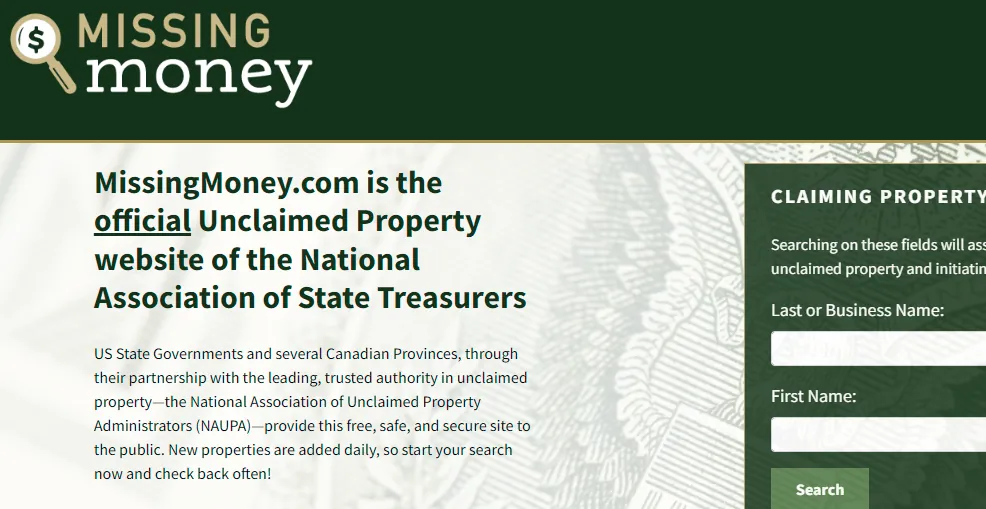
When a policy matures and nobody claims it, the proceeds eventually escheat to the state. Search MissingMoney, which is the official multi-state search, and then search each state’s own site individually for anywhere the person lived or worked — not every state participates in the shared database.
Search maiden names, married names, misspellings and initials. Repeat it every few months, because states add records continuously.
5. Employers, present and former
Group life through an employer is the most commonly forgotten policy of all, because the person may never have thought of it as insurance. Contact HR at every employer you can establish, and ask specifically about group life and about any retained post-retirement benefit.
Retirees are the case worth pushing on. A group policy that continued into retirement at a reduced amount is common, and the family almost never knows about it.
6. Unions, associations and alumni bodies
Unions, trade associations, professional bodies, fraternal organizations and alumni associations all offer group life to members. Build a list from anything you know about the person’s working life, then contact each one and ask about member life benefits.
Also check credit unions, mortgages and car loans — credit life insurance is often bundled into a loan, and it pays the balance rather than the family, which means nobody thinks to look for it.
7. Contacting insurers directly
Once you have candidates, write to each one. Prepare a standard request holding full legal name, any former names, date of birth, Social Security number, last known addresses, date of death, a certified death certificate, and your proof of authority. Sending everything at once avoids the round trip that otherwise adds a month.
Then telephone to confirm receipt and get a reference. Expect anywhere from a few days to several weeks depending on the carrier.
8. Search the open web properly
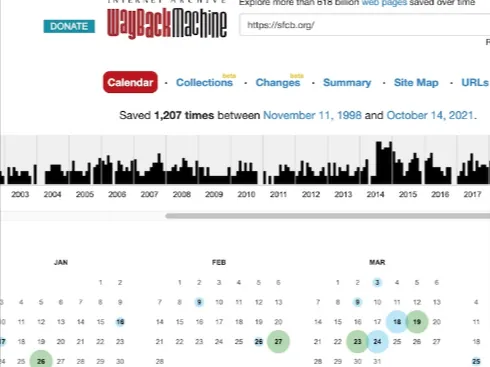
Google isn’t the only engine and they don’t return the same results. Try a name with
life insurance policy or insurance premium in quotes across more than one.
Use filetype:pdf to surface documents. Use the Wayback Machine on the websites
of employers and associations that have since changed or disappeared — the benefits
page from 2011 is frequently still there.
Social platforms occasionally help, though it’s a long shot. People do mention policies in
forums and in comments, and a search like
"John Doe" insurance site:facebook.com costs you nothing to run.
Keep it lawful
You’re asking companies to disclose financial information about a deceased person. Do it with documented authority and put every request in writing. Pretexting an insurer — claiming to be the policyholder or a relative you are not — is a federal problem under Gramm-Leach-Bliley, and it is entirely unnecessary when the legitimate route works.
Course
How to Find Out Where Someone Banks
The full sequence for locating an account — the free sources on this page, the paid ones worth paying for, and the order that stops you wasting a day.
See the course